

How Wire and Cable Equipment Can Revolutionize Your Manufacturing Process
Release time:
2025-12-11
How Wire and Cable Equipment Can Revolutionize Your Manufacturing Process Table of Contents 1. Introduction to Wire and Cable Equipment 2. The Importance of Wire and Cable Equipment in Manufacturing 3. Types of Wire and Cable Equipment 3.1 Cable Extrusion Machines 3.2 Wire Drawing Machines 3.3 Cable Processing Equipment 4. Bene
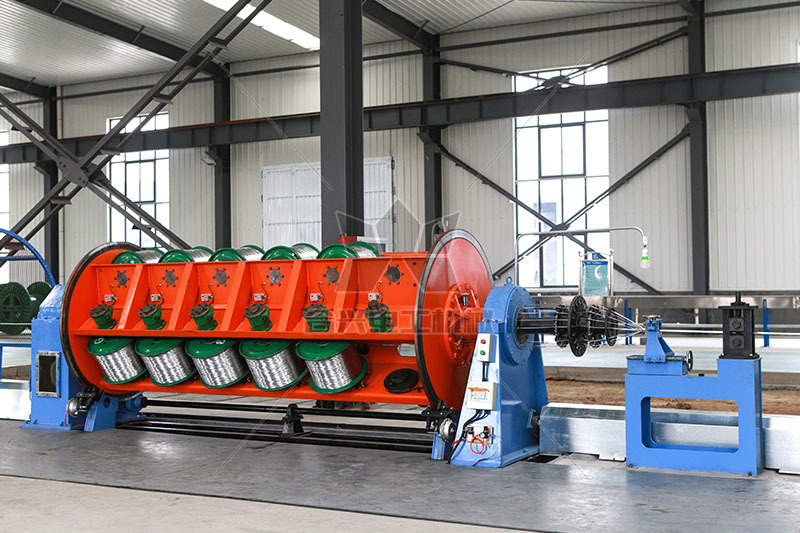
How Wire and Cable Equipment Can Revolutionize Your Manufacturing Process
Table of Contents
- 1. Introduction to Wire and Cable Equipment
- 2. The Importance of Wire and Cable Equipment in Manufacturing
- 3. Types of Wire and Cable Equipment
- 4. Benefits of Advanced Wire and Cable Equipment
- 4.1 Enhanced Operational Efficiency
- 4.2 Cost Reduction Strategies
- 4.3 Quality Assurance and Consistency
- 5. Technological Advancements in Wire and Cable Manufacturing
- 6. Sustainability and Environmental Impact
- 7. Challenges and Solutions in Implementing Equipment
- 8. Future Trends in Wire and Cable Equipment
- 9. Conclusion
- 10. Frequently Asked Questions (FAQs)
1. Introduction to Wire and Cable Equipment
In the contemporary manufacturing landscape, the role of **wire and cable equipment** cannot be overstated. These tools are integral to the production of various electrical and electronic components, ensuring that businesses operate efficiently and effectively. From automotive to telecommunications, wire and cable equipment serves as the backbone of numerous industries. In this article, we will explore how these machines can significantly improve your manufacturing processes.
2. The Importance of Wire and Cable Equipment in Manufacturing
Wire and cable equipment plays a pivotal role in streamlining operations within a manufacturing environment. The demand for high-quality electrical components necessitates advanced machinery capable of producing consistent and reliable products. Efficient equipment leads to faster production cycles, reduced downtime, and minimal waste, all of which are crucial for maintaining competitive advantage in today's market.
3. Types of Wire and Cable Equipment
Understanding the different types of wire and cable equipment available can help manufacturers make informed decisions about their production processes. Here are some essential categories:
3.1 Cable Extrusion Machines
Cable extrusion machines are fundamental to producing insulated wire and cable. These machines melt raw materials and mold them into desired shapes, allowing for the creation of various cable types. Advanced extrusion technology can enhance the quality of insulation, ensuring durability and performance.
3.2 Wire Drawing Machines
Wire drawing machines are designed to reduce the diameter of wire by pulling it through a series of dies. This process increases the wire's tensile strength and provides the desired finish. Innovations in wire drawing technology have led to the development of machines that operate at higher speeds without compromising quality.
3.3 Cable Processing Equipment
Cable processing equipment encompasses various tools used for cutting, stripping, and terminating wires and cables. These machines enhance efficiency by automating tasks that were traditionally manual, thus reducing labor costs and minimizing errors.
4. Benefits of Advanced Wire and Cable Equipment
Investing in advanced wire and cable manufacturing equipment brings a multitude of benefits:
4.1 Enhanced Operational Efficiency
Modern wire and cable equipment can significantly improve operational efficiency. Automated systems reduce the need for manual labor, allowing manufacturers to allocate their workforce to more critical areas. Additionally, advanced machinery can operate continuously, leading to increased output and reduced production time.
4.2 Cost Reduction Strategies
Higher operational efficiency directly correlates with cost reduction. By minimizing labor costs and reducing waste, manufacturers can lower their overall expenses. Furthermore, advanced machinery often requires less maintenance and has a longer lifespan, translating to further financial savings.
4.3 Quality Assurance and Consistency
Quality assurance is paramount in manufacturing. Advanced wire and cable equipment offers enhanced precision, ensuring that products meet stringent quality standards. Consistency in production not only builds brand reputation but also fosters customer loyalty.
5. Technological Advancements in Wire and Cable Manufacturing
The wire and cable manufacturing industry has witnessed significant technological advancements. Innovations such as smart manufacturing, IoT integration, and automation are transforming the way manufacturers operate. These technologies enable real-time monitoring of production processes, allowing for quick adjustments and enhanced output quality.
6. Sustainability and Environmental Impact
Sustainability is increasingly becoming a focal point in manufacturing. Modern wire and cable equipment is designed with energy efficiency in mind, significantly reducing the carbon footprint associated with production. Manufacturers can implement eco-friendly practices without compromising on quality or efficiency, aligning with global sustainability goals.
7. Challenges and Solutions in Implementing Equipment
While the benefits of advanced wire and cable equipment are clear, challenges do exist. High initial investment costs, the complexity of integration, and the need for skilled operators can pose obstacles. However, manufacturers can overcome these challenges through strategic planning, investing in training, and seeking expert advice during the equipment selection process.
8. Future Trends in Wire and Cable Equipment
Looking ahead, several trends are likely to shape the future of wire and cable manufacturing. The rise of automation, the increasing importance of data analytics, and advancements in materials science will continue to redefine industry standards. As manufacturers adapt to these changes, those with cutting-edge wire and cable equipment will be better positioned for success.
9. Conclusion
In summary, wire and cable equipment is crucial for enhancing manufacturing processes. By investing in advanced machinery, manufacturers can achieve operational efficiency, reduce costs, and ensure product quality. As the industry evolves, staying informed about the latest technologies and trends will enable manufacturers to maintain their competitive edge.
10. Frequently Asked Questions (FAQs)
FAQ 1: What types of industries benefit most from wire and cable equipment?
Manufacturers in telecommunications, automotive, construction, and electronics industries benefit significantly from wire and cable equipment, as they rely heavily on electrical components.
FAQ 2: How can investing in wire and cable equipment improve production efficiency?
Investing in modern wire and cable equipment automates processes, reduces manual labor, and increases output speed while ensuring high-quality standards.
FAQ 3: What are the environmental benefits of using advanced wire and cable equipment?
Advanced equipment is designed for energy efficiency, which reduces the overall carbon footprint of manufacturing processes, promoting sustainability.
FAQ 4: What should manufacturers consider when selecting wire and cable equipment?
Manufacturers should evaluate the specific needs of their production process, consider the latest technological features, assess maintenance requirements, and analyze return on investment.
FAQ 5: Are there any training resources available for operating wire and cable equipment?
Yes, many manufacturers offer training programs and certifications for personnel operating wire and cable equipment, including online courses and hands-on workshops.
By understanding the critical role of wire and cable equipment in manufacturing, businesses can harness its potential to drive efficiency, cut costs, and maintain high quality, ultimately resulting in a significant competitive advantage.
TAG:
Recommend News
HEXING CABLE MACHINERY
TEL: +86-317-3601666, +86-317-3236119
FAX: +86-317-3618408
E-MAIL: china@hbhxdg.cn
E-MAIL: hbhxdg@gmail.com
WEB: http://www.hbhxdg.cn
ADD: Baoantun Industrial Zone, Hejian City, Hebei Province