
Choosing the Best Rigid Stranding Machines for Electrical Manufacturing
Release time:
2025-09-25
Investing in the best rigid stranding machines involves careful evaluation of capacity, technology, maintenance needs, energy efficiency, and flexibility
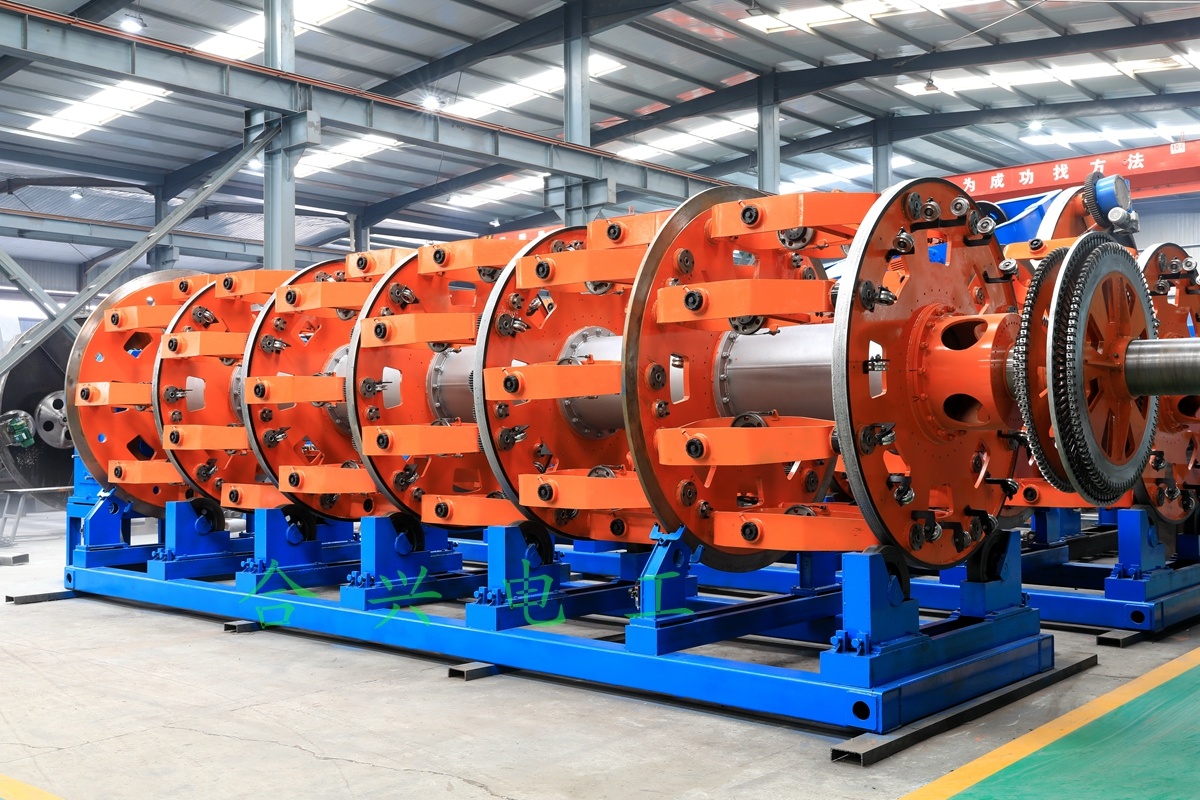
In the field of electrical and electronic product manufacturing, the choice of equipment can significantly influence productivity and the quality of the final products. Among the various types of machinery, rigid stranding machines play a pivotal role in the manufacturing of wire and cable products. These machines are designed to twist multiple wires together to form a single cable, ensuring durability and performance. When determining the best rigid stranding machines for your operations, several factors should be taken into consideration.
Firstly, **machine capacity** is an essential aspect. The best rigid stranding machines should accommodate various wire sizes and types, allowing manufacturers to produce a wide range of products without needing multiple machines. It's essential to evaluate the maximum and minimum wire diameters that can be processed and the machine's overall throughput.
Secondly, **technology and automation** are critical in modern manufacturing. Advanced rigid stranding machines incorporate automated features such as digital controls and sensors that enhance precision in the stranding process. Look for machines that offer programmable settings, enabling quick adjustments for different production runs. Automation can improve efficiency and reduce the likelihood of human error, which is vital for maintaining high-quality standards.
Another key consideration is **maintenance and support**. The best rigid stranding machines should be designed for easy maintenance, with accessible parts and clear instructions. Manufacturers should also consider suppliers that provide strong after-sales support, including training services and access to spare parts. This can minimize downtime and ensure that production schedules are met.
**Energy efficiency** is an increasingly important factor in manufacturing. Modern rigid stranding machines are designed to consume less energy while maintaining high performance levels. Evaluating the energy consumption of potential machines can lead to long-term cost savings, particularly in large-scale production environments.
Lastly, consider the **flexibility** of the rigid stranding machines. In today's fast-paced market, the ability to quickly adapt to changing product requirements is essential. Machines that can easily switch between different processes or wire configurations will provide significant advantages, allowing manufacturers to respond to market demands more rapidly.
Investing in the best rigid stranding machines involves careful evaluation of capacity, technology, maintenance needs, energy efficiency, and flexibility. Manufacturers who take these factors into account will be better positioned to enhance productivity and maintain competitive advantages in the electrical and electronic manufacturing sector. By focusing on these critical aspects, businesses can ensure they choose the right machinery to meet their operational goals.
Recommend News
HEXING CABLE MACHINERY
TEL: +86-317-3601666, +86-317-3236119
FAX: +86-317-3618408
E-MAIL: china@hbhxdg.cn
E-MAIL: hbhxdg@gmail.com
WEB: http://www.hbhxdg.cn
ADD: Baoantun Industrial Zone, Hejian City, Hebei Province