

Unlocking the Secrets: Choosing the Best Quality Wire and Cable Equipment
Release time:
2025-08-03
Unlocking the Secrets: Choosing the Best Quality Wire and Cable Equipment Table of Contents 1. Introduction to Wire and Cable Equipment 2. Understanding Wire and Cable Equipment 3. The Importance of Quality in Wire and Cable Manufacturing 4. Types of Wire and Cable Equipment 4.1 Wire Drawing Machines 4.2 Cable Extrusion Machines 4.3 Cab
Unlocking the Secrets: Choosing the Best Quality Wire and Cable Equipment
Table of Contents
- 1. Introduction to Wire and Cable Equipment
- 2. Understanding Wire and Cable Equipment
- 3. The Importance of Quality in Wire and Cable Manufacturing
- 4. Types of Wire and Cable Equipment
- 4.1 Wire Drawing Machines
- 4.2 Cable Extrusion Machines
- 4.3 Cable Assembling Machines
- 4.4 Inspection and Testing Equipment
- 5. Key Factors to Consider When Choosing Equipment
- 5.1 Performance and Reliability
- 5.2 Technological Advancements
- 5.3 Cost Efficiency
- 5.4 Manufacturer Reputation
- 6. Maintaining Wire and Cable Equipment
- 7. Future Trends in Wire and Cable Manufacturing
- 8. FAQs
- 9. Conclusion
1. Introduction to Wire and Cable Equipment
Choosing the right **wire and cable equipment** is crucial for any manufacturing operation. These machines play a vital role in producing high-quality electrical products that meet industry standards. In this guide, we will explore the intricate details of selecting the best equipment, ensuring you have the knowledge needed to make informed decisions that boost productivity and quality.
2. Understanding Wire and Cable Equipment
Wire and cable equipment refers to the specialized machines and tools used in the production and processing of electrical wires and cables. This equipment encompasses a wide range of functionalities, from drawing raw materials into fine wires to extruding insulation onto cables, assembling various components, and finally, testing the finished products for quality and compliance with regulations.
3. The Importance of Quality in Wire and Cable Manufacturing
Quality is paramount in wire and cable manufacturing. Subpar equipment can lead to defects in the finished products, resulting in increased waste, customer dissatisfaction, and potential safety hazards. Investing in high-quality equipment not only enhances the integrity of your products but also improves operational efficiency and reduces long-term costs.
4. Types of Wire and Cable Equipment
Understanding the different types of wire and cable equipment is essential for making the right choice for your manufacturing needs. Below are the primary categories of equipment used in this industry.
4.1 Wire Drawing Machines
Wire drawing machines are designed to pull large diameters of metal into thinner wires. This process involves reducing the diameter by drawing the wire through a series of dies. Choosing the right drawing machine depends on factors such as the type of metal being processed, the desired wire diameter, and the production speed required.
4.2 Cable Extrusion Machines
Cable extrusion machines are used to apply insulation and sheathing to wires. This process protects the wire from environmental factors and enhances performance. When selecting an extrusion machine, consider the type of materials you will use, the required thickness of the insulation, and the overall efficiency of the machine.
4.3 Cable Assembling Machines
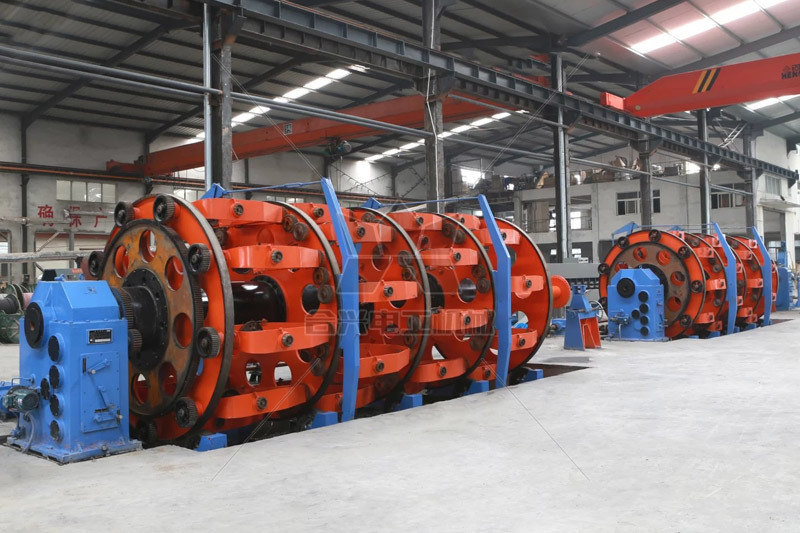
Cable assembling machines combine multiple wires and components into a single cable. This equipment is essential for creating complex cables used in various applications. Look for machines that offer flexibility to assemble different cable types and configurations efficiently.
4.4 Inspection and Testing Equipment
Quality assurance is critical, and inspection and testing equipment ensures that your products meet stringent quality standards. This equipment can include devices for electrical testing, visual inspection, and dimensional measurements. Investing in reliable inspection tools can prevent defective products from reaching the market.
5. Key Factors to Consider When Choosing Equipment
When it comes to selecting the right wire and cable equipment, several key factors must be taken into account to ensure optimal performance and efficiency.
5.1 Performance and Reliability
Performance should be your top priority. The equipment you choose must deliver consistent results and withstand the demands of continuous operation. **Research reviews and case studies** about the performance of potential equipment to ensure reliability.
5.2 Technological Advancements
The wire and cable manufacturing industry is continuously evolving with new technologies. Look for equipment that incorporates the latest advancements, which can offer improved efficiency, higher production speeds, and better quality control.
5.3 Cost Efficiency
While investing in high-quality equipment is crucial, cost efficiency is equally important. Analyze the total cost of ownership, including maintenance, energy consumption, and downtime, to choose equipment that provides the best return on investment.
5.4 Manufacturer Reputation
A reputable manufacturer can be a significant asset in your decision-making process. Check for certifications, industry awards, and customer testimonials that validate the quality of their equipment. A strong reputation often correlates with better support and customer service.
6. Maintaining Wire and Cable Equipment
Proper maintenance of wire and cable equipment is vital for sustaining performance and extending the lifespan of your machines. Regular inspections, timely servicing, and adherence to manufacturers' maintenance guidelines are crucial practices. **Implementing a robust maintenance schedule** can minimize downtimes and improve overall productivity.
7. Future Trends in Wire and Cable Manufacturing
As technology advances, the wire and cable manufacturing industry is poised for transformation. Trends such as automation, sustainability, and the Internet of Things (IoT) are increasingly influencing equipment design and functionality. Staying informed about these trends can help your business adapt and thrive in a competitive market.
8. FAQs
1. What factors should I consider when selecting wire and cable equipment?
Performance, cost efficiency, technological advancements, and manufacturer reputation are key factors to consider.
2. How often should I maintain my wire and cable equipment?
Regular maintenance is essential; implement a schedule based on manufacturer recommendations to ensure optimal performance.
3. What types of materials can be processed with wire drawing machines?
Wire drawing machines can typically process metals like copper, aluminum, and steel, depending on the machine design.
4. How can I ensure the quality of my wire and cable products?
Invest in high-quality inspection and testing equipment and adhere to industry standards throughout the manufacturing process.
5. Are there any emerging technologies in wire and cable manufacturing?
Yes, automation, IoT integration, and sustainable manufacturing practices are trends reshaping the industry.
9. Conclusion
Choosing the best quality wire and cable equipment is a pivotal decision that can define the success of your manufacturing processes. By understanding the different types of equipment available, considering key factors such as performance and cost efficiency, and staying abreast of industry trends, you can make informed choices that enhance your production capabilities. Investing in quality equipment not only boosts productivity but also ensures that your products meet the highest industry standards. Embrace these insights to unlock the potential of your wire and cable manufacturing operations today!
TAG:
Recommend News
HEXING CABLE MACHINERY
TEL: +86-317-3601666, +86-317-3236119
FAX: +86-317-3618408
E-MAIL: china@hbhxdg.cn
E-MAIL: hbhxdg@gmail.com
WEB: http://www.hbhxdg.cn
ADD: Baoantun Industrial Zone, Hejian City, Hebei Province