

Why Durability Matters in Tube Twisting Machines: A Focus on the 400 Model
Release time:
2025-08-22
Why Durability Matters in Tube Twisting Machines: A Focus on the 400 Model Table of Contents Introduction to Tube Twisting Machines The Importance of Durability in Manufacturing Overview of the 400 Model Tube Twisting Machine Key Features of the 400 Model Materials and Design: Ensuring Longevity Comparative Analysis: The 400 Model vs. Competitors Maintenance Tips for Optimal Durabil
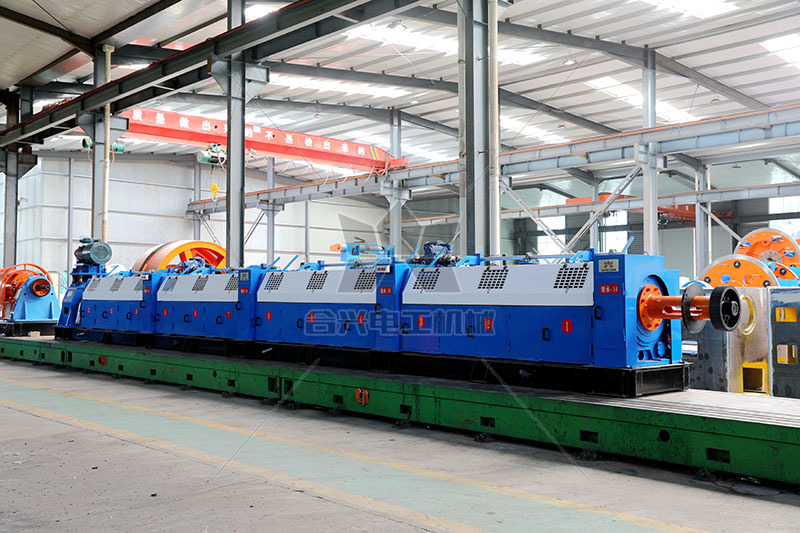
Why Durability Matters in Tube Twisting Machines: A Focus on the 400 Model
Table of Contents
- Introduction to Tube Twisting Machines
- The Importance of Durability in Manufacturing
- Overview of the 400 Model Tube Twisting Machine
- Key Features of the 400 Model
- Materials and Design: Ensuring Longevity
- Comparative Analysis: The 400 Model vs. Competitors
- Maintenance Tips for Optimal Durability
- Case Studies: Success Stories with the 400 Model
- Conclusion
- Frequently Asked Questions
Introduction to Tube Twisting Machines
Tube twisting machines play a vital role in various sectors, including electrical, automotive, and manufacturing industries. These machines are designed to perform the intricate task of twisting wires and cables, ensuring that they are bundled together for improved functionality and efficiency. As production demands grow, the requirement for machines that can withstand the rigors of continuous operation becomes increasingly significant.
In this article, we will explore the **durability** of tube twisting machines with a specific focus on the **400 model**. We will discuss why this aspect is crucial for manufacturers and how the 400 model stands out in the market.
The Importance of Durability in Manufacturing
Durability in manufacturing equipment, particularly in tube twisting machines, is synonymous with reliability. Machines that are built to last not only reduce downtime but also enhance productivity. Here are some key reasons why durability matters:
1. Operational Efficiency
Durable machines require less frequent maintenance, allowing manufacturers to operate at optimal efficiency with minimal interruptions. This efficiency translates to increased output and profitability.
2. Cost-Effectiveness
Investing in durable equipment reduces the long-term costs associated with repairs and replacements. While cheaper machines may seem appealing initially, their lack of durability can lead to higher costs over time.
3. Quality Assurance
Durability ensures consistent performance, which is crucial in maintaining the quality of the output. In a sector where precision is paramount, a durable machine minimizes errors and defects.
Overview of the 400 Model Tube Twisting Machine
The **400 model tube twisting machine** is engineered with precision and built to endure rigorous operational demands. Designed for versatility, this model incorporates advanced technology to cater to various wire sizes and types.
Manufacturers often choose the 400 model for its robust construction and ability to maintain high performance under varying conditions. It’s important to examine the features and specifications that contribute to its durability.
Key Features of the 400 Model
The 400 model is renowned for its combination of innovative technology and resilient design. Here are some standout features:
1. Heavy-Duty Construction
The frame of the 400 model is crafted from high-grade steel, capable of withstanding the stress associated with high-volume production. This durability is essential for maintaining the machine's integrity over time.
2. Advanced Motor Technology
Equipped with a powerful motor, the 400 model ensures consistent torque and speed, reducing the likelihood of overheating and wear. This aspect is crucial for long-term reliability.
3. User-Friendly Controls
Intuitive control interfaces allow operators to easily adjust settings, ensuring optimal performance without the need for extensive training. This user-friendliness enhances the overall durability by promoting proper use.
Materials and Design: Ensuring Longevity
The choice of materials and design plays a pivotal role in the durability of the 400 model. Here are some key considerations:
1. Quality Components
Each component of the 400 model is sourced for its durability. From the motor to the twisting mechanism, high-quality materials ensure that the machine can endure prolonged use without failure.
2. Innovative Design Principles
The design of the 400 model prioritizes functionality while minimizing wear and tear. Features such as shock absorbers and reinforced joints contribute to its longevity.
3. Protective Coatings
The use of protective coatings on metal surfaces prevents corrosion and damage from environmental factors, further enhancing the durability of the machine.
Comparative Analysis: The 400 Model vs. Competitors
When evaluating the 400 model against its competitors, several factors highlight its superiority in durability:
1. Performance Under Stress
Compared to other models in the market, the 400 model consistently performs better under high-stress conditions. This reliability is a testament to its robust design and engineering.
2. Longevity of Components
Users have reported longer life spans for the components of the 400 model versus competing machines. This translates into reduced downtime and maintenance costs.
3. Enhanced Productivity
With fewer breakdowns, the 400 model allows for continuous operation, thereby increasing overall productivity. Competitors often fall short in this aspect.
Maintenance Tips for Optimal Durability
To ensure that the 400 model maintains its durability, regular maintenance is essential. Here are some key tips:
1. Routine Inspections
Conduct regular inspections to identify potential issues before they escalate. Checking for wear on components can save costly repairs.
2. Lubrication
Keep moving parts well-lubricated to minimize friction and wear. This simple step can significantly extend the machine's lifespan.
3. Clean Environment
Maintain a clean operational environment to prevent dust and debris from damaging the machine. Implementing a cleaning schedule can enhance durability.
Case Studies: Success Stories with the 400 Model
Several manufacturers have experienced significant benefits from integrating the 400 model into their production lines. Here are a few notable examples:
1. Case Study: Electrical Component Manufacturer
An electrical component manufacturer reported a 30% increase in production efficiency after transitioning to the 400 model. The durability of the machine reduced their downtime significantly.
2. Case Study: Automotive Industry
A leading automotive company found that the 400 model's durability allowed them to maintain consistent quality in their wire harnesses, leading to enhanced reputation and customer satisfaction.
Conclusion
In the competitive world of manufacturing, the durability of equipment such as tube twisting machines cannot be overstated. The **400 model** stands out for its robust construction, innovative design, and the ability to deliver consistent performance over time. Investing in such durable machinery not only enhances operational efficiency but also results in long-term cost savings and quality assurance.
For manufacturers seeking reliability and performance, the 400 model is a formidable choice, paving the way for success in various industrial applications.
Frequently Asked Questions
1. What is a tube twisting machine used for?
A tube twisting machine is primarily used to twist wires and cables together, ensuring they are bundled for efficient use in various applications.
2. How does the 400 model compare to other models in terms of durability?
The 400 model is designed with heavy-duty materials and advanced technology, providing superior durability compared to many competitors.
3. What maintenance is required for the 400 model?
Regular inspections, lubrication of moving parts, and maintaining a clean operational environment are essential for optimal performance and durability.
4. Can the 400 model handle different wire types?
Yes, the 400 model is engineered to handle a variety of wire sizes and types, making it a versatile option for manufacturers.
5. How can I determine if the 400 model is right for my business?
Consider your production needs, the types of materials you work with, and the importance of durability in your manufacturing process to determine if the 400 model is suitable for you.
TAG:
Recommend News
HEXING CABLE MACHINERY
TEL: +86-317-3601666, +86-317-3236119
FAX: +86-317-3618408
E-MAIL: china@hbhxdg.cn
E-MAIL: hbhxdg@gmail.com
WEB: http://www.hbhxdg.cn
ADD: Baoantun Industrial Zone, Hejian City, Hebei Province