

The Advantages of Using Cradle Type Cage Stranding Machines in Manufacturing
Release time:
2025-11-07
The Advantages of Using Cradle Type Cage Stranding Machines in Manufacturing Manufacturing processes have continuously evolved, driven by the need for greater efficiency, reduced costs, and improved product quality. Among the various advancements, the introduction of **cradle type cage stranding machines** has revolutionized the way we approach the stranding and twisting of wires and cables. These
The Advantages of Using Cradle Type Cage Stranding Machines in Manufacturing
Manufacturing processes have continuously evolved, driven by the need for greater efficiency, reduced costs, and improved product quality. Among the various advancements, the introduction of **cradle type cage stranding machines** has revolutionized the way we approach the stranding and twisting of wires and cables. These machines are not just tools; they represent a significant leap forward in manufacturing technology, particularly in the **electrical and electronic product** sectors.
In this article, we will delve into the numerous advantages of cradle type cage stranding machines and how they can enhance the productivity and quality of manufacturing operations.
Table of Contents
1. Understanding Cradle Type Cage Stranding Machines
1.1 What Is a Cradle Type Cage Stranding Machine?
1.2 How Do Cradle Type Cage Stranding Machines Operate?
2. Key Advantages of Cradle Type Cage Stranding Machines
2.1 Enhanced Efficiency in Manufacturing
2.2 Superior Quality of Stranded Wires
2.3 Versatility in Application
2.4 Cost-Effectiveness Over Time
3. Comparing Cradle Type Cage Stranding Machines with Other Stranding Options
3.1 Traditional Stranding Machines vs. Cradle Type Systems
3.2 Benefits of Choosing Cradle Type Over Other Options
4. Implementation and Integration in Manufacturing Facilities
4.1 Key Considerations for Installation
4.2 Training and Skill Development for Operators
5. Future Trends in Stranding Machine Technology
5.1 Innovations on the Horizon
5.2 Sustainability in Manufacturing Practices
6. Frequently Asked Questions (FAQs)
7. Conclusion
1. Understanding Cradle Type Cage Stranding Machines
1.1 What Is a Cradle Type Cage Stranding Machine?
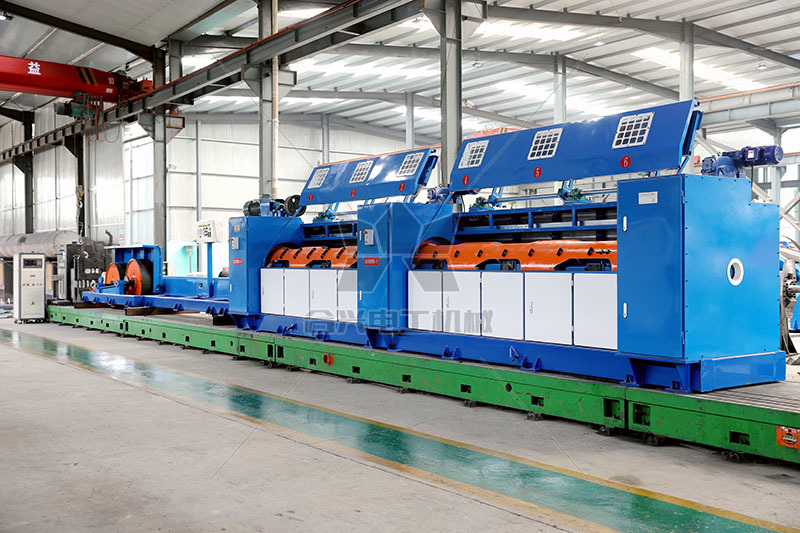
A cradle type cage stranding machine is a specialized piece of equipment designed for the stranding and twisting of wires into cables. It features a unique design that encompasses a rotating cage, allowing for multiple wires to be stranded together in a controlled and efficient manner. This type of machine is instrumental in the production of various electrical and electronic components, ensuring that manufacturers can produce high-quality products that meet industry standards.
1.2 How Do Cradle Type Cage Stranding Machines Operate?
These machines operate by utilizing a series of rotating spools and a cradle that moves in a circular motion. As the cage rotates, it draws in individual wires, twisting them together at predetermined angles and tensions. This process not only enhances the physical properties of the finished cables but also ensures uniformity in diameter and insulation quality. The **automated control systems** integrated into these machines allow manufacturers to adjust parameters quickly, optimizing the stranding process.
2. Key Advantages of Cradle Type Cage Stranding Machines
2.1 Enhanced Efficiency in Manufacturing
**Cradle type cage stranding machines** are designed for high-speed operations. They can significantly reduce production times compared to traditional stranding methods. With their ability to handle multiple wires simultaneously, manufacturers can achieve higher output rates without compromising quality. This efficiency is crucial in meeting growing market demands, enabling companies to scale their operations effectively.
2.2 Superior Quality of Stranded Wires
One of the standout features of cradle type cage stranding machines is their ability to produce **high-quality stranded wires**. The precise control over tension and angle during the stranding process results in cables that exhibit excellent flexibility and durability. This quality is particularly important in industries such as telecommunications, automotive, and aerospace, where reliability is paramount.
2.3 Versatility in Application
Cradle type cage stranding machines are versatile tools that can be used in a variety of manufacturing scenarios. They are suitable for stranding different types of wires, including **copper, aluminum, and composite materials**. This versatility allows manufacturers to adapt their production lines to meet changing demands and explore new markets without the need for significant equipment upgrades.
2.4 Cost-Effectiveness Over Time
While the initial investment in cradle type cage stranding machines may be higher than traditional options, the long-term benefits justify the cost. Reduced labor requirements, increased output, and lower material waste contribute to a more cost-effective manufacturing process. Additionally, the durability and reliability of these machines minimize maintenance costs, ensuring that manufacturers can achieve a favorable return on investment.
3. Comparing Cradle Type Cage Stranding Machines with Other Stranding Options
3.1 Traditional Stranding Machines vs. Cradle Type Systems
Traditional stranding machines often rely on static frameworks that may limit flexibility and speed. In contrast, cradle type cage systems offer a dynamic approach that enhances both efficiency and quality. With their advanced mechanics, cradle type machines can achieve superior results in less time, making them an attractive option for modern manufacturers.
3.2 Benefits of Choosing Cradle Type Over Other Options
When comparing stranding options, the benefits of cradle type cage machines become clear. They deliver higher throughput, better quality, and improved versatility. Furthermore, their innovative designs often incorporate the latest technology, ensuring that manufacturers remain competitive in an ever-evolving market.
4. Implementation and Integration in Manufacturing Facilities
4.1 Key Considerations for Installation
Implementing cradle type cage stranding machines requires careful planning. Manufacturers must assess their existing infrastructure to determine the best layout for these machines. Considerations include space requirements, power supply, and integration with other manufacturing processes. Ensuring a seamless installation will maximize the benefits of the new equipment.
4.2 Training and Skill Development for Operators
To fully leverage the capabilities of cradle type cage stranding machines, operators must receive comprehensive training. Understanding the machine's controls and maintenance needs is crucial for optimizing performance and minimizing downtime. Investing in operator training not only enhances productivity but also contributes to workplace safety.
5. Future Trends in Stranding Machine Technology
5.1 Innovations on the Horizon
The manufacturing industry is on the cusp of numerous technological advancements. Future trends in stranding machines include **smart technology integration**, allowing for real-time monitoring and data analytics. These innovations will enable manufacturers to optimize their processes further and adapt to market needs swiftly.
5.2 Sustainability in Manufacturing Practices
As environmental concerns become increasingly important, manufacturers are looking for ways to reduce their carbon footprint. Cradle type cage stranding machines can contribute to sustainability efforts by minimizing material waste and enhancing energy efficiency. Embracing these technologies aligns manufacturing practices with global sustainability goals.
6. Frequently Asked Questions (FAQs)
1. What materials can be processed with cradle type cage stranding machines?
Cradle type cage stranding machines are capable of processing various materials, including copper, aluminum, and composite wires, making them suitable for multiple applications.
2. How does the efficiency of cradle type cage machines compare to traditional machines?
Cradle type cage machines operate at higher speeds and can handle multiple wires simultaneously, resulting in significantly improved efficiency over traditional stranding machines.
3. What are the maintenance requirements for cradle type cage stranding machines?
Regular maintenance is essential to ensure optimal performance. This includes routine inspections, lubrication, and timely replacement of worn components.
4. Can cradle type cage stranding machines be integrated with existing manufacturing lines?
Yes, these machines can be integrated into existing manufacturing lines with careful planning and consideration of space and connectivity requirements.
5. What is the expected lifespan of a cradle type cage stranding machine?
With proper maintenance, cradle type cage stranding machines can have a long operational lifespan, often exceeding a decade, depending on usage and care.
7. Conclusion
The adoption of **cradle type cage stranding machines** in manufacturing processes offers numerous advantages that can enhance productivity, quality, and cost-effectiveness. As industries continue to evolve, these machines stand out as a crucial investment for manufacturers looking to maintain a competitive edge in the electrical and electronic product sectors. By understanding their benefits and implementing them effectively, manufacturers can not only streamline their operations but also ensure superior product output that meets market demands. Embracing this innovative technology is not just a step forward; it's a leap towards a more efficient and sustainable future in manufacturing.
TAG:
Recommend News
HEXING CABLE MACHINERY
TEL: +86-317-3601666, +86-317-3236119
FAX: +86-317-3618408
E-MAIL: china@hbhxdg.cn
E-MAIL: hbhxdg@gmail.com
WEB: http://www.hbhxdg.cn
ADD: Baoantun Industrial Zone, Hejian City, Hebei Province