

The Future of Electrical Manufacturing: Innovations in Drum Stranding Technology
Release time:
2025-11-11
The Future of Electrical Manufacturing: Innovations in Drum Stranding Technology Table of Contents 1. Introduction to Electrical Manufacturing and Drum Stranding Technology 2. Importance of Drum Stranding in Electrical Manufacturing 3. Recent Innovations in Drum Stranding Technology 3.1 Automation and Smart Technology 3.2 Advanced Materials for Enhance
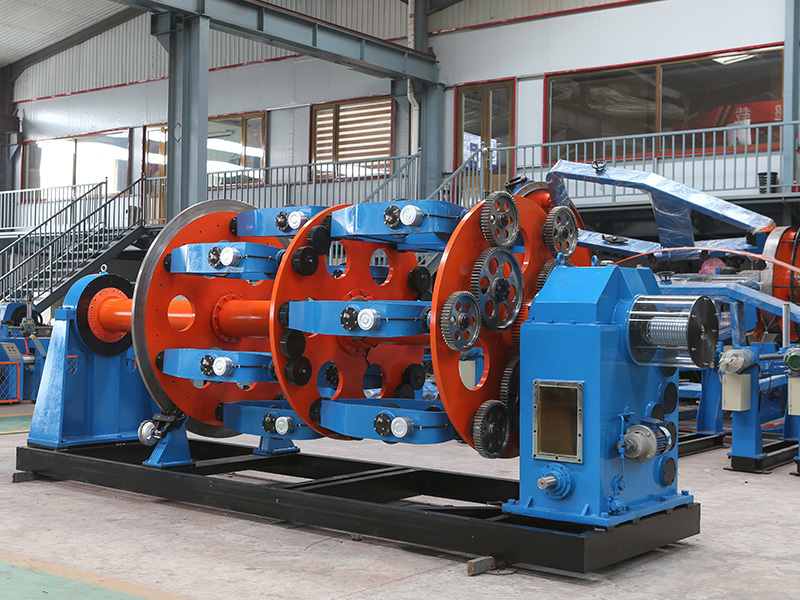
The Future of Electrical Manufacturing: Innovations in Drum Stranding Technology
Table of Contents
- 1. Introduction to Electrical Manufacturing and Drum Stranding Technology
- 2. Importance of Drum Stranding in Electrical Manufacturing
- 3. Recent Innovations in Drum Stranding Technology
- 3.1 Automation and Smart Technology
- 3.2 Advanced Materials for Enhanced Performance
- 3.3 Eco-Friendly Manufacturing Practices
- 4. Challenges in Implementing New Technologies
- 5. The Future Landscape of Drum Stranding Technology
- 6. Case Studies: Successful Implementations
- 7. Frequently Asked Questions (FAQs)
- 8. Conclusion
1. Introduction to Electrical Manufacturing and Drum Stranding Technology
The electrical manufacturing industry is undergoing a significant transformation, driven by rapid technological advancements and an increasing demand for high-quality electrical components. At the heart of this evolution is **drum stranding technology**, a vital process in the production of wires and cables. This article explores the innovations shaping the future of drum stranding technology, focusing on its implications for efficiency, quality, and sustainability.
2. Importance of Drum Stranding in Electrical Manufacturing
Drum stranding is a critical process that involves twisting multiple wires together to create a single composite strand. This technique is essential for producing cables that meet stringent performance standards in various applications, from telecommunications to power distribution. The importance of drum stranding lies in its ability to enhance **conductivity, flexibility,** and **mechanical strength** of electrical cables, ultimately impacting the overall performance of electrical systems.
3. Recent Innovations in Drum Stranding Technology
Innovations in drum stranding technology have paved the way for advancements that not only improve product quality but also streamline manufacturing processes. Here, we delve into some of the most significant innovations transforming this sector.
3.1 Automation and Smart Technology
One of the most notable trends in drum stranding technology is the integration of **automation and smart technologies**. Automated machines equipped with sensors and data analytics capabilities enable manufacturers to monitor and control the stranding process in real-time. This level of automation not only reduces human error but also enhances production speed and accuracy.
Moreover, the use of machine learning algorithms allows for predictive maintenance, ensuring that equipment is serviced before any potential breakdowns occur. This proactive approach minimizes downtime and optimizes the overall production schedule, contributing to increased efficiency.
3.2 Advanced Materials for Enhanced Performance
The evolution of drum stranding technology is also closely linked to the development of **advanced materials**. Manufacturers are increasingly using high-performance alloys and composite materials that provide superior conductivity and mechanical properties. These materials not only improve the performance of the end products but also contribute to lighter and more compact cables.
Additionally, innovations in insulation materials and coatings have led to improved durability and resistance to environmental factors, such as moisture and temperature fluctuations. This is particularly important for cables used in demanding applications, such as renewable energy systems and industrial machinery.
3.3 Eco-Friendly Manufacturing Practices
Sustainability has become a key focus in electrical manufacturing, and drum stranding technology is no exception. Innovations aimed at reducing waste and energy consumption are gaining traction. For instance, manufacturers are adopting **recycling programs** that allow for the reuse of materials, significantly reducing the environmental impact of production.
Furthermore, energy-efficient machines and processes are being developed to minimize electricity usage during the stranding process. These eco-friendly practices not only benefit the environment but also appeal to consumers and businesses that prioritize sustainability in their operations.
4. Challenges in Implementing New Technologies
Despite the promising advancements in drum stranding technology, several challenges can hinder implementation. Many manufacturers face **financial constraints** that can limit investment in new machinery and technologies. The initial costs associated with upgrading equipment and training staff can be significant.
Moreover, the integration of automation and smart technologies often requires a cultural shift within organizations. Employees may resist changes to established processes, necessitating comprehensive training programs to ensure a smooth transition.
5. The Future Landscape of Drum Stranding Technology
Looking ahead, the future of drum stranding technology appears promising, with several trends expected to shape its development. The ongoing demand for high-performance electrical components will drive continued innovation and research in this field.
Emerging technologies such as **artificial intelligence and the Internet of Things (IoT)** are likely to play significant roles in enhancing the efficiency of stranding processes. As these technologies become more integrated into manufacturing practices, we can expect to see even greater levels of automation, precision, and quality assurance.
6. Case Studies: Successful Implementations
To illustrate the impact of innovations in drum stranding technology, let's examine a few case studies of manufacturers who have successfully adopted these advancements.
**Case Study 1: Global Cable Manufacturer**
A leading cable manufacturer faced challenges with production efficiency and product quality. By investing in advanced stranding machines equipped with smart technology, they were able to reduce production time by 30% while increasing the tensile strength of their cables. The integration of predictive maintenance further reduced downtime, resulting in significant cost savings.
**Case Study 2: Renewable Energy Supplier**
A renewable energy supplier sought to improve the reliability and performance of its cabling systems. By utilizing high-performance materials in their drum stranding processes, they produced lighter and more durable cables that withstand harsh environmental conditions. This innovation resulted in increased customer satisfaction and a competitive edge in the market.
7. Frequently Asked Questions (FAQs)
What is drum stranding technology?
Drum stranding technology refers to the process of twisting multiple wires together to create a single composite strand, essential for producing high-quality electrical cables.
Why is drum stranding important for electrical manufacturing?
Drum stranding enhances the conductivity, flexibility, and mechanical strength of cables, making it a vital process in ensuring the performance of electrical systems.
What recent innovations are transforming drum stranding technology?
Recent innovations include automation and smart technology, advanced materials, and eco-friendly manufacturing practices that enhance efficiency and sustainability.
What are the challenges of implementing new drum stranding technologies?
Challenges include financial constraints, the need for employee training, and potential resistance to change within organizations.
How can manufacturers ensure a successful transition to new stranding technologies?
Successful transitions can be achieved through careful planning, investment in training programs, and gradual integration of new technologies into existing processes.
8. Conclusion
As the electrical manufacturing landscape continues to evolve, innovations in drum stranding technology play a pivotal role in shaping its future. From automation and smart technology to advanced materials and eco-friendly practices, these advancements are driving improvements in efficiency, quality, and sustainability.
By embracing these innovations, manufacturers can position themselves for success in a competitive market while meeting the growing demand for high-performance electrical components. The future of electrical manufacturing is bright, and drum stranding technology will undoubtedly be at the forefront of this transformation.
TAG:
Recommend News
HEXING CABLE MACHINERY
TEL: +86-317-3601666, +86-317-3236119
FAX: +86-317-3618408
E-MAIL: china@hbhxdg.cn
E-MAIL: hbhxdg@gmail.com
WEB: http://www.hbhxdg.cn
ADD: Baoantun Industrial Zone, Hejian City, Hebei Province