

Understanding Rigid Stranding Machines: Key Insights for Professionals in the Electrical and Electronics Industry
Release time:
2025-11-20
Rigid Stranding Machines play a crucial role in the manufacturing process of electrical cables, particularly in the production of multi-stranded conductors. These machines are designed to create tightly wound strands of wire, which enhance the electrical conductivity and flexibility of the final product. Understanding the operation and advantages of Rigid Stranding Machines is vital for profession
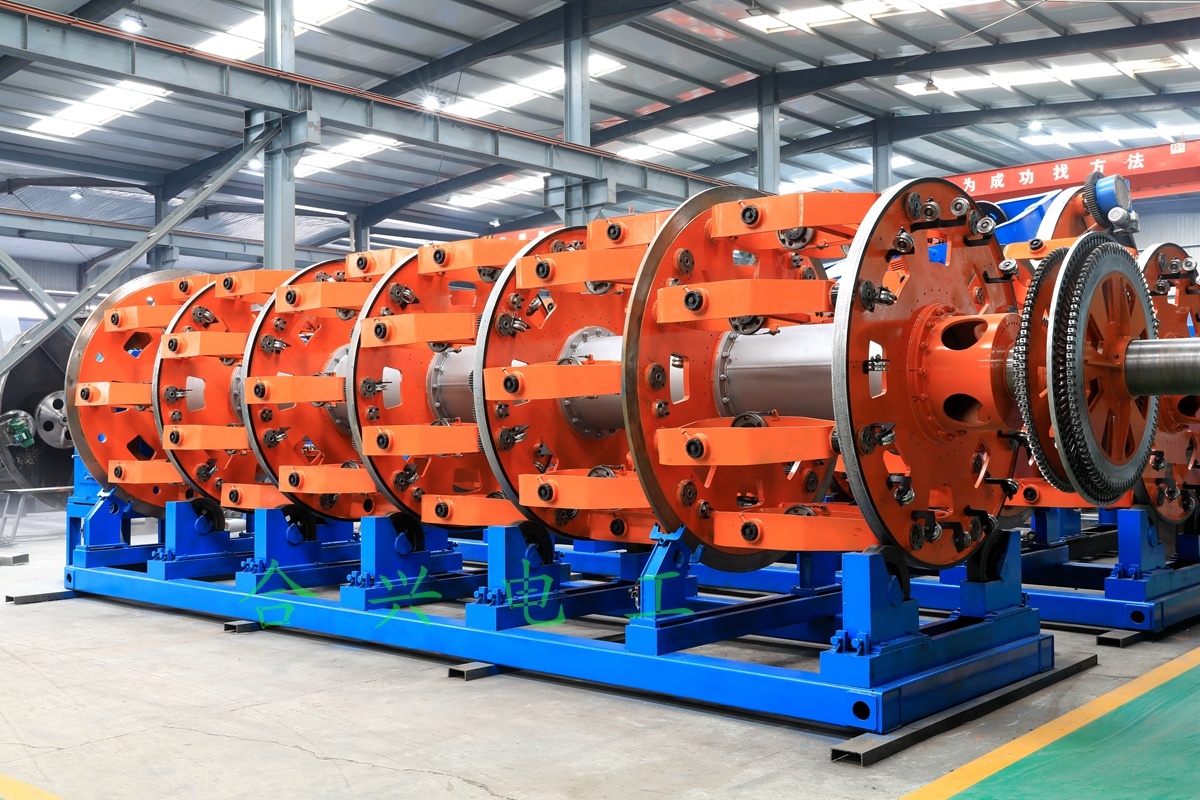
One of the primary advantages of Rigid Stranding Machines is their ability to produce high-quality stranded conductors with consistent tension and accurate winding. The design of these machines allows for precise control over the stranding process, reducing the risk of defects and ensuring uniformity in the final product. This precision is particularly important in applications where electrical performance is critical, such as in telecommunications and power distribution.
Additionally, Rigid Stranding Machines are known for their efficiency in production. They can handle a variety of wire sizes and materials, making them versatile for different manufacturing needs. By optimizing the stranding process, manufacturers can increase output while minimizing waste, ultimately leading to cost savings. Furthermore, the automation features often included in modern Rigid Stranding Machines streamline operations, allowing for quicker changeovers and reduced labor requirements.
Maintenance is another critical factor to consider when working with Rigid Stranding Machines. Regular upkeep is essential to ensure optimal performance and longevity. Professionals should implement a preventive maintenance schedule that includes routine inspections, lubrication of moving parts, and calibration checks. By investing time in maintenance, manufacturers can avoid unexpected downtimes and maintain continuous production.
Incorporating advanced technologies into Rigid Stranding Machines has also become a trend in the industry. Features such as digital controls, real-time monitoring, and data analytics can significantly enhance the performance of these machines. These technological advancements allow for better tracking of production metrics, enabling manufacturers to identify areas for improvement and optimize their processes further.
Training and skill development for operators are equally important. As Rigid Stranding Machines evolve with new technologies, ensuring that personnel are well-trained in operating and maintaining these machines is essential for maximizing their benefits. Continuous education programs can help operators stay updated on the latest industry practices and machine functionalities.
In conclusion, Rigid Stranding Machines are indispensable in the electrical and electronics manufacturing industry. Their efficiency, precision, and adaptability make them a preferred choice for producing high-quality stranded conductors. Understanding their operational mechanics, maintenance requirements, and the integration of advanced technologies is crucial for industry professionals looking to optimize their manufacturing processes and drive innovation in their operations.
TAG:
Recommend News
HEXING CABLE MACHINERY
TEL: +86-317-3601666, +86-317-3236119
FAX: +86-317-3618408
E-MAIL: china@hbhxdg.cn
E-MAIL: hbhxdg@gmail.com
WEB: http://www.hbhxdg.cn
ADD: Baoantun Industrial Zone, Hejian City, Hebei Province