

The Importance of Precision in High-Speed Rigid Stranding Machines
Release time:
2025-11-21
The Importance of Precision in High-Speed Rigid Stranding Machines Table of Contents 1. Understanding Rigid Stranding Machines 2. The Role of Precision in Stranding Processes 3. Key Components That Ensure Precision 3.1 Drive Systems 3.2 Tension Control Mechanisms 3.3 Monitoring Systems 4. Advantages of High-Speed Rigid Stranding Machines 5. Challenges in Achieving Precision 6.
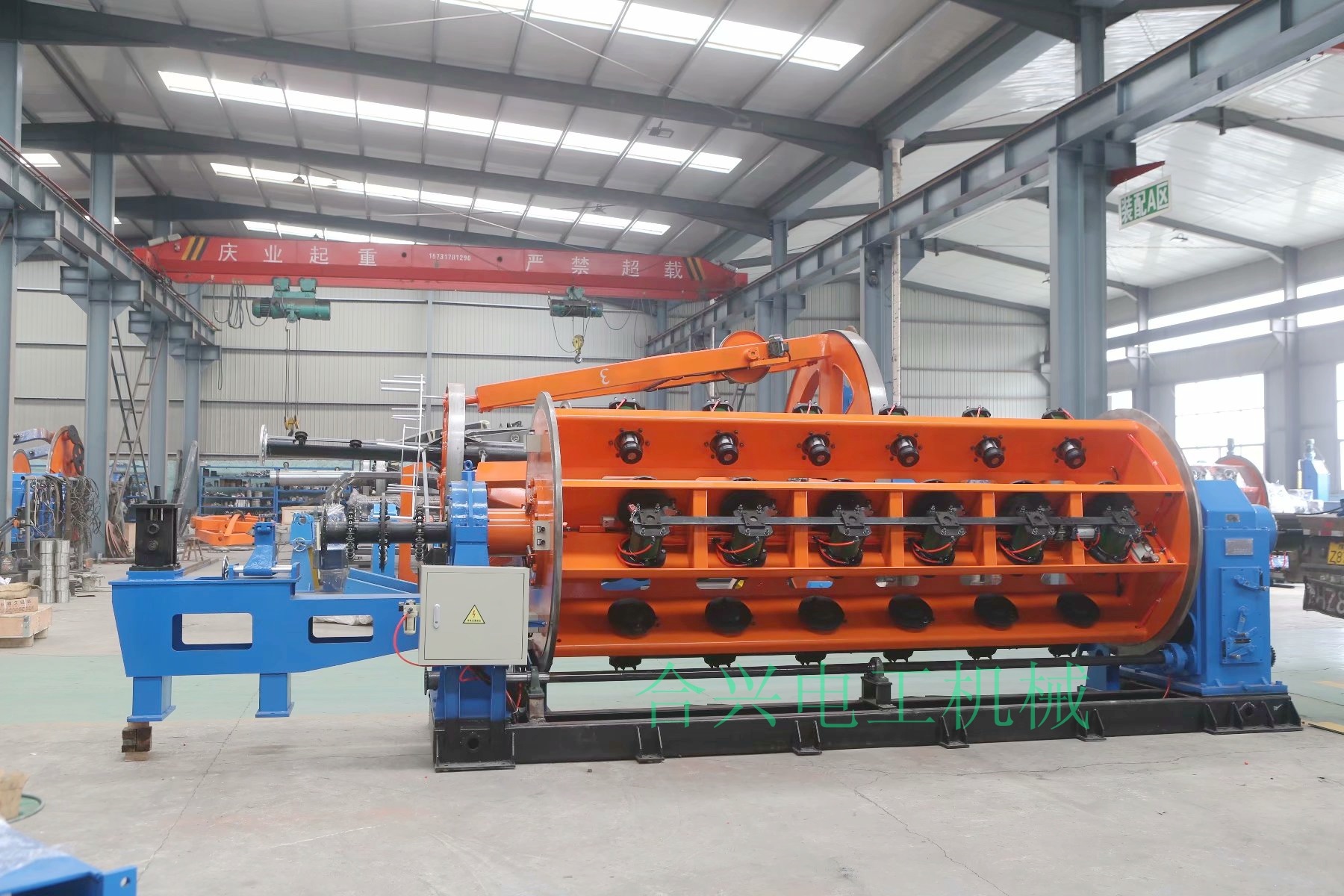
The Importance of Precision in High-Speed Rigid Stranding Machines
Table of Contents
1. Understanding Rigid Stranding Machines
2. The Role of Precision in Stranding Processes
3. Key Components That Ensure Precision
3.1 Drive Systems
3.2 Tension Control Mechanisms
3.3 Monitoring Systems
4. Advantages of High-Speed Rigid Stranding Machines
5. Challenges in Achieving Precision
6. Innovations Driving Precision Forward
7. Best Practices for Maintaining Precision
8. Future Trends in Rigid Stranding Technology
9. Frequently Asked Questions (FAQs)
10. Conclusion
1. Understanding Rigid Stranding Machines
Rigid stranding machines serve as a cornerstone in the production of electrical cables. Designed to twist multiple wires together, these machines enhance the electrical conductivity and mechanical strength of the final product. Their high-speed capabilities significantly improve manufacturing efficiency, making them essential in industries requiring large-scale electrical wiring solutions.
2. The Role of Precision in Stranding Processes
Precision is not merely an advantage but a necessity in the operation of high-speed rigid stranding machines. It directly influences the quality and reliability of the finished electrical products. A precise stranding process ensures that each wire is uniformly twisted and positioned, minimizing the risk of defects that can lead to electrical failures.
Moreover, precision affects the overall performance of electrical cables, contributing to better insulation, heat resistance, and longevity. When companies prioritize precision in their stranding machines, they foster enhanced product integrity and customer satisfaction.
3. Key Components That Ensure Precision
To achieve high levels of precision in rigid stranding machines, several key components work in unison:
3.1 Drive Systems
The drive system is fundamental in controlling the speed and consistency of the machine's operation. High-performance motors, along with advanced gear mechanisms, facilitate accurate wire feeding and twisting. Utilizing variable frequency drives (VFDs) allows for fine-tuning of speed to meet specific production requirements.
3.2 Tension Control Mechanisms
Maintaining appropriate tension during the stranding process is crucial for achieving uniformity. Tension control mechanisms, such as automatic tension regulators, adjust the pull on the wires in real-time, preventing slippage and ensuring that each wire is tightly bound without compromising the integrity of the strands.
3.3 Monitoring Systems
Modern rigid stranding machines incorporate sophisticated monitoring systems that provide real-time feedback on various operational parameters. These systems use sensors to track tension, speed, and temperature, enabling operators to make immediate adjustments. Consistent monitoring helps identify potential issues before they escalate into significant defects.
4. Advantages of High-Speed Rigid Stranding Machines
The advantages of utilizing high-speed rigid stranding machines extend beyond just increased production rates. Here are some notable benefits:
- **Enhanced Efficiency:** High-speed operations significantly reduce production time and labor costs.
- **Quality Assurance:** Precision in stranding translates into fewer defects, ensuring higher-quality end products.
- **Cost-Effectiveness:** By minimizing material waste through precise control, companies can achieve considerable savings in raw materials.
- **Flexibility:** Modern machines can adapt to various wire sizes and types, making them suitable for diverse production needs.
5. Challenges in Achieving Precision
Despite the evident advantages, achieving and maintaining precision in high-speed rigid stranding machines poses several challenges:
- **Material Variability:** Differences in wire materials can affect how they respond to tension and twisting.
- **Mechanical Wear:** Over time, components may wear down, impacting the accuracy of the stranding process.
- **Operator Skill:** The expertise of machine operators plays a critical role in ensuring precision and efficiency.
6. Innovations Driving Precision Forward
Recent technological advancements are revolutionizing how precision is achieved in rigid stranding. Innovations such as:
- **AI and Machine Learning:** Integrating artificial intelligence into stranding machines allows for predictive maintenance and process optimization.
- **Robotics:** Automated handling systems enhance the precision of wire feeding and alignment.
- **Advanced Materials:** New wire materials with enhanced properties enable better performance during the stranding process.
These innovations not only improve precision but also enhance the overall efficiency and reliability of manufacturing operations.
7. Best Practices for Maintaining Precision
To ensure that high-speed rigid stranding machines operate with maximum precision, manufacturers should implement the following best practices:
- **Regular Maintenance:** Scheduled maintenance checks help identify and resolve issues before they impact production.
- **Calibration:** Frequent calibration of tension control and monitoring systems ensures consistent performance.
- **Training Programs:** Investing in operator training helps users understand the subtleties of machine operation, promoting precision.
8. Future Trends in Rigid Stranding Technology
As the industry evolves, several trends are emerging in rigid stranding technology:
- **Sustainability:** The push for environmentally friendly manufacturing processes is leading to the development of energy-efficient machines.
- **Smart Manufacturing:** The integration of IoT devices will allow for more advanced data collection and analytics, leading to improved operational precision.
- **Customization:** Machines designed for specific applications will become more common, allowing for tailored solutions that meet unique production needs.
These trends promise to enhance the capabilities of high-speed rigid stranding machines, ensuring they remain at the forefront of electrical manufacturing.
9. Frequently Asked Questions (FAQs)
1. What is a high-speed rigid stranding machine?
A high-speed rigid stranding machine is a piece of equipment used to twist multiple wires together at high speeds, enhancing the mechanical and electrical properties of the resulting cable.
2. How does precision impact the quality of electrical cables?
Precision in stranding ensures that wires are uniformly twisted and properly aligned, reducing defects and enhancing the overall performance of the electrical cable.
3. What are the common challenges faced in maintaining precision?
Challenges include material variability, mechanical wear, and the level of operator skill. Addressing these challenges is crucial for maintaining high precision levels.
4. How can manufacturers improve precision in stranding processes?
Manufacturers can improve precision by implementing regular maintenance, calibration of machines, and comprehensive training programs for operators.
5. What are the latest innovations in rigid stranding technology?
Recent innovations include the incorporation of AI and machine learning, robotics for handling, and the development of advanced materials to enhance the stranding process.
10. Conclusion
In summary, the importance of precision in high-speed rigid stranding machines cannot be overstated. Precision not only enhances the quality and reliability of electrical cables but also drives efficiency and cost-effectiveness in manufacturing. By understanding the key components that contribute to precision, recognizing the challenges, and adopting best practices, companies can ensure that they remain competitive in an ever-evolving industry. As technology continues to advance, embracing innovations will be crucial for achieving the highest levels of precision in stranding processes, ultimately leading to superior products and satisfied customers.
TAG:
Recommend News
HEXING CABLE MACHINERY
TEL: +86-317-3601666, +86-317-3236119
FAX: +86-317-3618408
E-MAIL: china@hbhxdg.cn
E-MAIL: hbhxdg@gmail.com
WEB: http://www.hbhxdg.cn
ADD: Baoantun Industrial Zone, Hejian City, Hebei Province